
The Nature of Luck
Luck is often perceived as a mysterious force that influences outcomes in unpredictable ways. In the context of gambling, it is commonly regarded as a key factor determining success or failure. However, what many people may not realize is that luck cannot be quantified or measured in any tangible form. While some players believe that luck is a skill that can be honed, the reality is that it remains an unpredictable element beyond one’s control, especially when playing online pokies or other casino games. This creates a fascinating discussion about whether luck can ever be effectively measured. The concept of luck often evokes curiosity and desire for control, leading to an exploration of its elusive nature.
Certain scenarios that are mistaken for luck often derive from a misunderstanding of probability and chance. For instance, a player may experience a winning streak and attribute their success to luck, overlooking the statistical likelihood of such occurrences. In games of chance, the randomness is built into the mechanics, and while individual results may seem fortuitous, they do not alter the underlying probabilities. This leads to the idea that while luck can manifest, it cannot truly be quantified or analyzed. The illusion of luck can be enticing, creating narratives that obscure the reality of chance-based gaming.
The temptation to measure luck often arises from the human desire to control outcomes in uncertain situations. People are inclined to look for patterns or signs to predict future wins. However, such tendencies can lead to misconceptions about weighty concepts like “lucky numbers” or “hot streaks.” Ultimately, acknowledging the randomness inherent in luck allows players to better understand the true nature of gambling and make more informed decisions. Embracing the unpredictable nature of luck can lead to a healthier approach to gambling, fostering enjoyment rather than obsession.
Common Myths About Luck and Gambling
There are numerous myths surrounding the relationship between luck and gambling, many of which stem from anecdotal experiences rather than scientific evidence. One popular myth is the belief in “hot” and “cold” machines or tables. Players often think that certain games are more likely to yield wins after a series of losses or victories. However, in reality, every spin or deal is independent, governed by random number generators or similar mechanisms that ensure each outcome does not depend on previous results. This misconception can lead players to make ill-informed betting decisions based on faulty logic.
This myth can create a false sense of control, leading players to make decisions based on perceived trends rather than objective statistics. Furthermore, it can result in players continuing to gamble in the hopes of capitalizing on supposed shifts in luck, often leading them to make excessive wagers that can ultimately be detrimental to their finances. Understanding that each outcome is independent is crucial for setting realistic gambling strategies. The allure of chasing perceived patterns can result in players developing detrimental habits that hinder their overall gaming experience.

Another prevalent myth involves the notion that players can “beat the house” by employing specific strategies or systems. While some games might allow for a degree of skill, such as poker, the majority of casino games are designed with a house edge that guarantees profitability for the establishment over time. Players may feel lucky when they win, but it’s essential to recognize that long-term success is often unattainable due to the built-in advantages favoring the house. This understanding underscores the importance of playing for enjoyment rather than solely for profit.
The Role of Skill and Strategy
While luck plays a significant role in gambling, skill and strategy cannot be overlooked. In games like poker, players can increase their chances of success through informed decision-making and psychological tactics. Understanding probabilities, reading opponents, and making calculated moves can significantly impact a player’s overall performance. However, this interplay between luck and skill often leads to the misconception that luck can be mastered entirely. The reality is that while skills can enhance a player’s chances, luck remains an unpredictable force that can influence any game.
Even in skill-based games, luck is an ever-present factor. For example, a skilled poker player may encounter a bad hand or an unfavorable flop that can thwart their plans, regardless of their expertise. Thus, while honing skills can improve a player’s odds, the unpredictable nature of luck remains a constant element that can never be wholly controlled or mastered. This duality of luck and skill is part of what keeps gambling thrilling and unpredictable. Players often find themselves in situations where their skills are tested against the whims of chance.
Additionally, some may argue that strategies and systems can create a perception of measured luck. Players might develop their own “lucky rituals” or methods to approach gaming, believing these increase their chances of success. While these approaches can enhance the gaming experience, they cannot change the fact that luck cannot be measured or manipulated in a reliable manner. It is crucial for players to maintain a realistic perspective on both their skills and the limitations imposed by luck itself, ensuring that their approach to gambling remains grounded in reality.
The Psychological Impact of Believing in Luck
The belief in luck can significantly affect a gambler’s psychology and behavior. Many players develop superstitions or rituals, such as wearing certain clothing items or performing specific actions before playing. These actions provide players with a sense of control in an otherwise uncertain environment. However, such beliefs can lead to irrational decision-making and overconfidence, ultimately affecting their gambling practices negatively. The psychological reliance on luck can create a cycle of behavior that reinforces misconceptions about control.
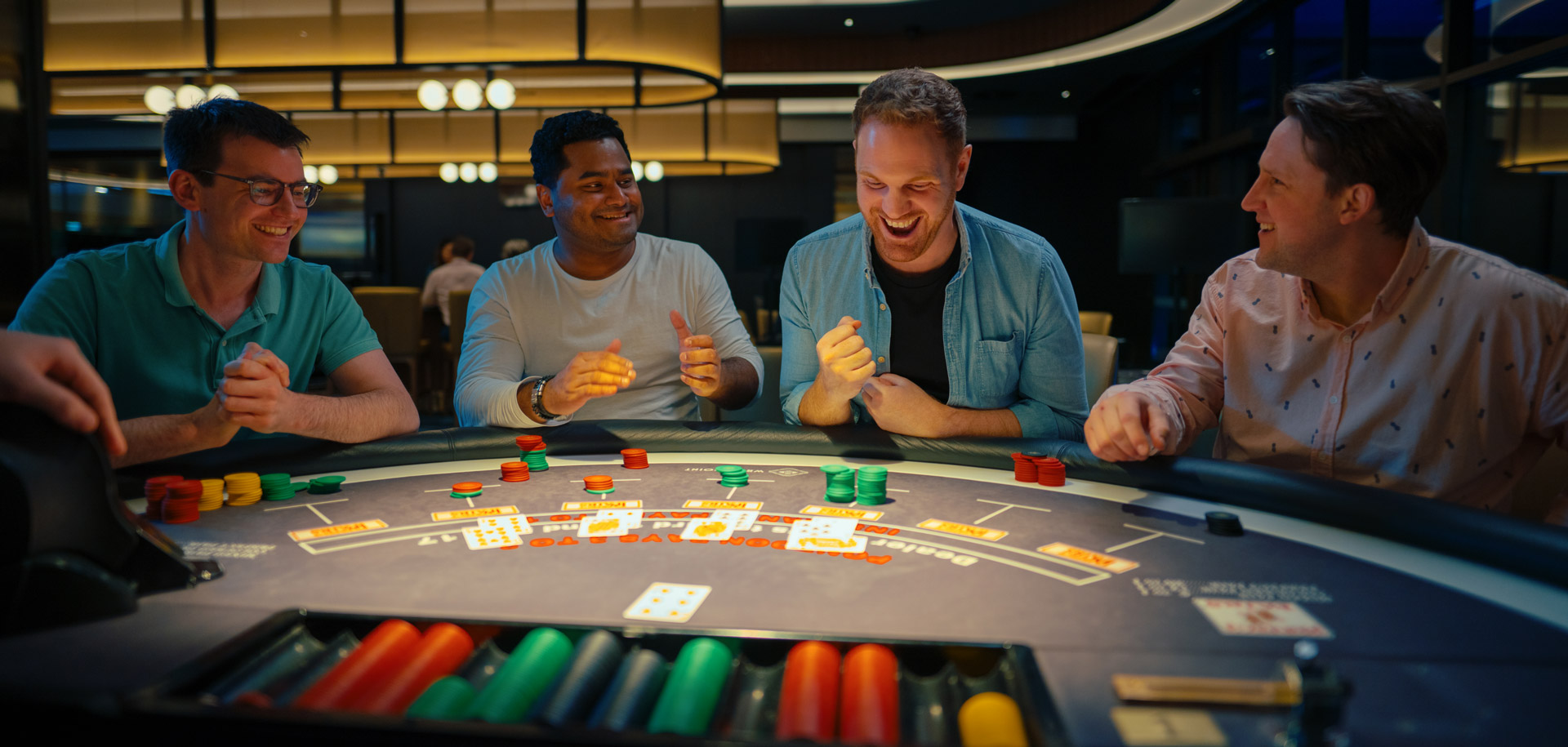
The psychological impact of believing in luck can also extend to emotional responses. A player may experience euphoria following a win, attributing their success to luck, but the same player might feel despondent or frustrated after a loss, wrongly blaming bad luck. This emotional rollercoaster can lead to unhealthy gambling habits, as players chase their perceived luck, resulting in increased stakes and financial risk. Understanding these emotional dynamics is essential for promoting healthier gambling behaviors.
It is essential for players to understand the psychological effects of luck on their gambling behavior. Recognizing that luck is an unpredictable variable rather than a controllable factor can foster healthier gambling practices. Implementing mindful strategies, such as setting limits and maintaining realistic expectations, can help mitigate the potential negative effects of believing too strongly in luck. By addressing the psychological aspects of gambling, players can cultivate a more balanced approach that emphasizes enjoyment and responsible play.
Your Source for Responsible Gambling Insights
At our website, we are dedicated to providing comprehensive resources and insights into responsible gambling. We believe that understanding the myths surrounding luck and gambling is crucial for fostering a positive gaming environment. Our aim is to equip players with knowledge that helps them make informed decisions and enjoy their gaming experiences within safe boundaries. By promoting awareness of the realities of gambling, we hope to empower players to approach their activities with a clear perspective.
Through research, expert opinions, and educational content, we strive to debunk common misconceptions and promote responsible gaming practices. We encourage players to view gambling as a form of entertainment rather than a source of income, highlighting the importance of setting limits and playing within one’s means. Our commitment to responsible gambling encompasses the need for continuous education and support, ensuring players have access to accurate information.
In a landscape filled with myths and misconceptions about luck, our platform serves as a beacon for those seeking clarity and guidance. By emphasizing the balance of luck, skill, and responsible gambling, we aim to enhance the overall experience for players, ensuring that gaming remains enjoyable and sustainable. Join us to explore more about the fascinating world of gambling and make your experience safe and enjoyable, all while fostering a community that values informed and responsible play.